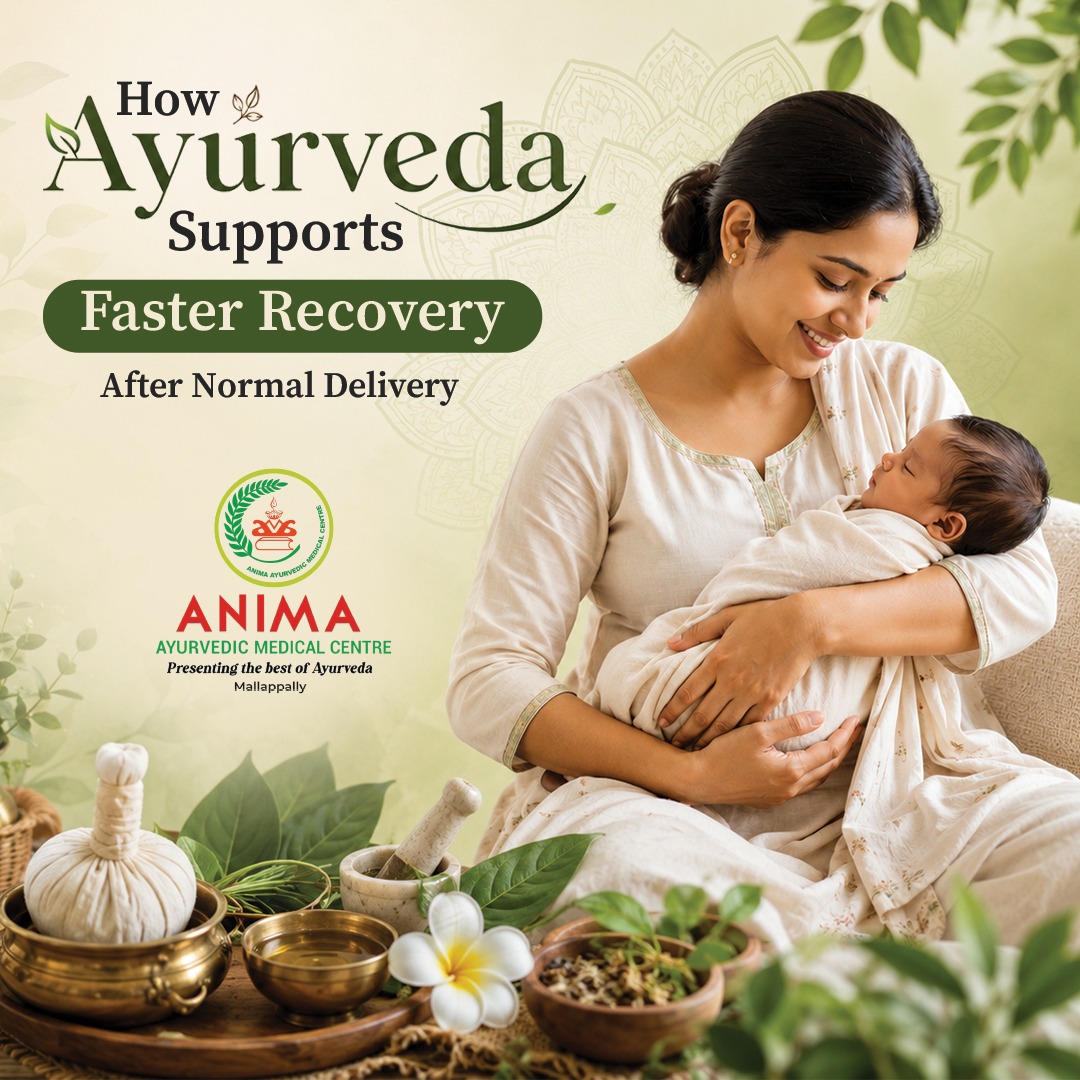
Understanding Postpartum Recovery in Ayurveda
According to Ayurveda, childbirth leads to a temporary imbalance of Vata Dosha. Vata governs movement, circulation, and the nervous system. During labor and delivery, significant energy is expended, causing Vata to increase.
An aggravated Vata can lead to:
- Fatigue and weakness
- Body aches and joint pain
- Digestive issues
- Anxiety and emotional instability
- Sleep disturbances
- Delayed healing
The primary goal of Ayurvedic postpartum care is to restore balance, strengthen the body, improve digestion, and promote overall recovery.
Importance of the First 42 Days After Delivery
Ayurveda considers the first six weeks after childbirth particularly important.
During this period, the mother's body undergoes several changes:
- Hormonal adjustments
- Uterine healing
- Tissue repair
- Lactation establishment
- Emotional adaptation
Proper care during these weeks can significantly impact long-term health and reduce the risk of future complications.
Ayurvedic Diet for Postpartum Recovery
Food plays a central role in Ayurvedic healing.
After delivery, digestion is often weakened. Ayurveda recommends warm, nourishing foods that are easy to digest and support tissue repair.
Recommended Foods
- Rice porridge and gruels
- Moong dal preparations
- Warm milk with herbs
- Ghee in moderation
- Cooked vegetables
- Whole grains
- Traditional herbal soups
These foods help:
- Improve digestion
- Rebuild strength
- Enhance breast milk production
- Promote faster healing
Cold, processed, and difficult-to-digest foods are generally avoided during the recovery phase.
Herbal Support for Healing
Ayurveda uses various herbs to support postpartum recovery naturally.
Commonly recommended herbs include:
Shatavari
Known for supporting:
- Hormonal balance
- Lactation
- Reproductive health
Ashwagandha
Helps with:
- Energy restoration
- Stress reduction
- Physical recovery
Jeera (Cumin)
Traditionally used to:
- Improve digestion
- Reduce bloating
- Support milk production
Fenugreek
Often included in postpartum diets because it may help support lactation and overall nourishment.
Herbal recommendations should always be guided by a qualified Ayurvedic practitioner based on individual needs.
Ayurvedic Postpartum Massage (Abhyanga)
One of the most valued aspects of Ayurvedic postpartum care is Abhyanga, a therapeutic oil massage.
Warm herbal oils are applied to the body to:
- Reduce muscle stiffness
- Improve circulation
- Support joint health
- Calm the nervous system
- Balance Vata Dosha
Regular massage sessions help mothers feel more relaxed while promoting physical recovery.
Many women report improved sleep and reduced body discomfort following Ayurvedic massage treatments.
Strengthening the Pelvic and Musculoskeletal System
Even after a normal delivery, the body experiences strain in the pelvic region, lower back, and abdominal muscles.
Ayurvedic therapies can help:
- Improve muscle tone
- Reduce back pain
- Enhance mobility
- Support pelvic recovery
Combined with proper rest and gentle movement, these therapies contribute to a smoother recovery process.
Supporting Mental and Emotional Well-Being
The postpartum period involves significant emotional adjustments.
New mothers may experience:
- Mood fluctuations
- Anxiety
- Stress
- Sleep deprivation
- Emotional overwhelm
Ayurveda emphasizes holistic healing that includes mental wellness.
Supportive practices include:
- Herbal therapies
- Meditation
- Breathing exercises
- Relaxation techniques
- Daily routines that encourage stability
By calming the nervous system, Ayurveda helps mothers feel more grounded during this transition.
Improving Sleep Quality
Quality sleep is essential for recovery.
Although caring for a newborn often disrupts sleep patterns, Ayurveda offers strategies to improve rest whenever possible.
These may include:
- Warm herbal drinks
- Oil massage
- Relaxation rituals
- Balanced nutrition
Better sleep contributes to faster tissue repair, improved mood, and increased energy levels.
Enhancing Breastfeeding Support
Ayurvedic postpartum care often focuses on supporting healthy lactation.
Certain foods and herbs are traditionally used to:
- Promote milk production
- Improve maternal nutrition
- Support infant growth
Hydration, proper nourishment, and stress management are also considered important factors in breastfeeding success.
Uterine and Tissue Recovery
After childbirth, the uterus gradually returns to its pre-pregnancy state.
Ayurvedic therapies aim to support this natural process by:
- Improving circulation
- Promoting tissue repair
- Supporting internal healing
A healthy recovery period may contribute to improved reproductive health in the future.
Importance of Rest in Ayurveda
Modern lifestyles often encourage mothers to resume activities quickly after childbirth. Ayurveda takes a different approach.
Rest is viewed as a critical component of healing.
Benefits of adequate rest include:
- Faster recovery
- Better immune function
- Improved energy levels
- Enhanced emotional well-being
Ayurvedic postpartum care encourages mothers to prioritize healing before returning to demanding routines.
Personalized Care Matters
Every mother's postpartum experience is unique.
Factors such as:
- Body constitution (Prakriti)
- Age
- Health history
- Delivery experience
- Lifestyle
can influence recovery needs.
Ayurveda emphasizes individualized care rather than a one-size-fits-all approach. Personalized treatment plans help address specific concerns while supporting overall wellness.
Long-Term Benefits of Ayurvedic Postpartum Care
Women who follow structured postpartum care often experience benefits beyond the immediate recovery period.
Potential advantages include:
- Better energy levels
- Improved digestion
- Enhanced immunity
- Reduced joint discomfort
- Hormonal balance
- Improved emotional health
Investing in postpartum healing can positively influence a mother's health for years to come.
Combining Ayurveda with Modern Healthcare
Ayurveda complements modern medical care rather than replacing it.
Regular follow-ups with healthcare providers remain essential after delivery. Ayurvedic therapies can be integrated safely under professional guidance to support holistic recovery.
A balanced approach allows mothers to benefit from both traditional wisdom and modern medical expertise.
Conclusion
The postpartum period is a time of profound transformation and healing. While normal delivery is often associated with faster recovery compared to surgical births, the body still requires proper care, nourishment, and support.
Ayurveda offers a holistic framework for postpartum recovery through specialized diets, herbal support, therapeutic massages, lifestyle practices, and emotional wellness strategies. By addressing both physical and mental well-being, Ayurvedic care helps mothers regain strength, restore balance, and adapt to their new role with confidence.
When guided by experienced Ayurvedic practitioners, postpartum therapies can provide valuable support during one of the most important phases of a woman's life, helping her recover naturally while building a strong foundation for long-term health and wellness.