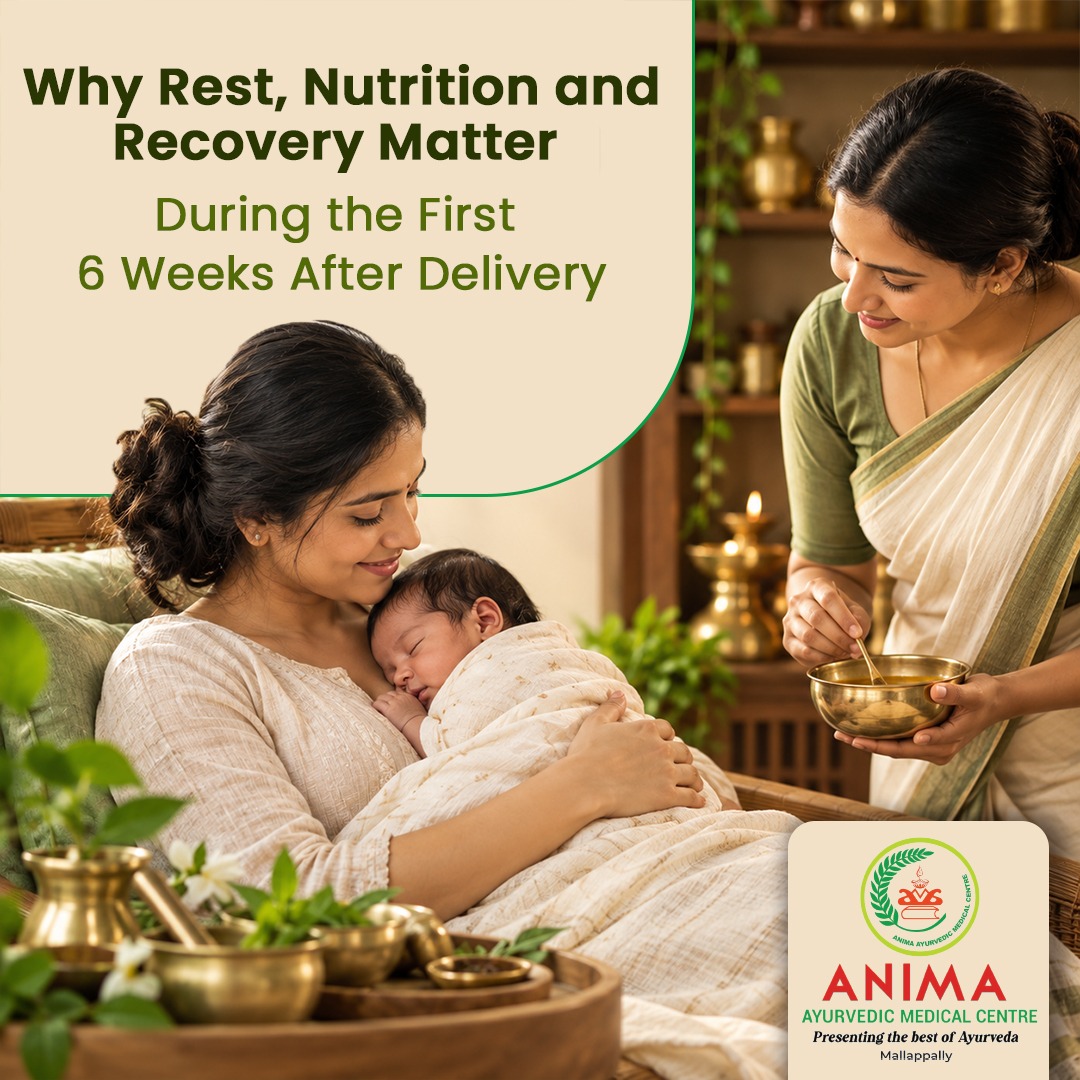
Why Are the First 6 Weeks After Childbirth Important?
During the first six weeks postpartum, the uterus is recovering, vaginal bleeding gradually decreases, wounds or incisions heal, breast milk production may become established, hormones change and the pelvic floor and abdominal muscles begin recovering from pregnancy and childbirth.
It is also a period when certain postpartum complications can develop.
WHO notes that women and newborns require careful monitoring after birth and recommends postnatal contacts during the first six weeks, with additional care where health risks are identified.
Recovery varies considerably.
A mother who had an uncomplicated vaginal delivery without significant tearing may regain comfortable mobility relatively quickly.
Another mother may be recovering from an episiotomy, significant blood loss or difficult labour.
Someone who underwent a C-section is also recovering from major abdominal surgery.
For this reason, six weeks should be considered an important recovery window rather than a deadline by which every mother must feel completely normal.
How Much Rest Does a Mother Need During the First 6 Weeks?
There is no fixed number of hours of bed rest required after childbirth. Mothers need adequate sleep and frequent opportunities to rest, while also gradually returning to gentle movement when medically appropriate. Complete prolonged bed rest is generally not necessary after an uncomplicated delivery.
Newborn feeding can make uninterrupted nighttime sleep unrealistic.
A more practical strategy is to reduce unnecessary physical workload and take opportunities to rest when someone else can care for the baby.
During the early postpartum period, family members can help with:
- Cooking and grocery shopping
- Cleaning and laundry
- Caring for older children
- Holding or settling the baby between feeds
- Managing visitors
- Transport and appointments
This allows the mother to focus more energy on healing, feeding, sleeping and caring for herself and the newborn.
Rest should also be adjusted according to symptoms. Significant pain, dizziness, weakness or unusually heavy bleeding should not simply be treated as a signal to “rest more”; these symptoms may require medical evaluation.
What Foods and Nutrients Are Important for Postpartum Recovery?
A postpartum diet should generally provide adequate calories, protein, carbohydrates, healthy fats, fluids and micronutrients rather than relying on restrictive diets. Protein, iron, calcium and other nutrients contribute to tissue repair, replenishment of nutritional stores and overall recovery. Breastfeeding can further increase nutritional requirements.
A practical postpartum meal can include:
Protein: eggs, fish, chicken, milk, curd, paneer, pulses, beans or lentils.
Carbohydrates: rice, chapati, oats, millets, potatoes and other whole-grain or starchy foods.
Vegetables and fruits: provide fibre and a range of vitamins and minerals.
Healthy fats: nuts, seeds and appropriate cooking oils can contribute energy and essential fats.
Fluids: water and other suitable fluids help maintain hydration.
There is usually no need to eliminate nutritious foods simply because a mother has recently delivered unless there is a specific medical, cultural or individual reason.
Breastfeeding mothers should particularly avoid aggressive dieting in an attempt to lose pregnancy weight rapidly.
The CDC notes that well-nourished breastfeeding mothers generally require approximately 330–400 additional kcal per day compared with their pre-pregnancy intake, although individual requirements depend on factors including body size, activity and whether breastfeeding is exclusive.
How Does Protein Support Postpartum Healing?
Protein supplies amino acids required for tissue repair and maintenance, making adequate protein intake particularly relevant when the body is healing from perineal injury, an episiotomy or a C-section incision.
Rather than relying on one large protein-heavy meal, include protein sources across the day.
For example:
Breakfast might include eggs and milk.
Lunch could contain rice, vegetables, dal and fish.
A snack could include curd and nuts.
Dinner could contain chapati, vegetables and chicken or pulses.
Vegetarian mothers can combine dairy products, pulses, beans, lentils, soy products, nuts and seeds according to individual dietary preferences.
There is no universal postpartum protein target suitable for everyone, particularly where medical conditions are present. Individual nutritional advice can be obtained from a qualified healthcare professional or dietitian.
Why Is Iron Important After Childbirth?
Blood loss occurs during delivery, and some mothers develop or continue to have iron-deficiency anaemia postpartum.
Iron supports haemoglobin production and oxygen transport.
Iron-containing foods include meat, fish, eggs, pulses, beans, green leafy vegetables and fortified foods. Vitamin C-containing foods can help with absorption of non-haem iron from plant foods.
If your doctor prescribed iron after delivery, follow the recommended dose and duration rather than replacing supplementation solely with food.
Persistent fatigue, dizziness, paleness, shortness of breath or weakness should also be discussed with a healthcare professional rather than automatically attributed to caring for a newborn.
Why Are Calcium, Fluids and Other Nutrients Important?
A balanced diet provides nutrients needed during recovery and lactation.
Calcium-rich foods can include milk, curd, paneer and appropriate fortified foods.
Breastfeeding also changes requirements for certain nutrients. For example, the CDC notes that iodine and choline needs increase during lactation and recommends discussing supplementation with a healthcare provider when dietary intake may be inadequate.
Hydration is equally practical.
Keep water easily accessible, particularly around breastfeeding sessions, and drink regularly according to thirst and individual needs.
Very large amounts of water do not automatically increase milk production, so there is no need to force excessive fluid intake.
How Should Walking and Physical Activity Be Resumed?
After an uncomplicated vaginal delivery, gentle movement and walking can generally begin when the mother feels comfortable and her healthcare team has not advised otherwise. Activity should increase gradually rather than jumping immediately from rest to a full household or exercise routine.
The NHS advises that after a straightforward birth, gentle activities such as walking, stretching and pelvic-floor exercises can begin when the mother feels able.
A gradual progression might look like:
Early days: Moving around the room or home and managing basic personal activities.
As comfort improves: Short, easy walks.
Following weeks: Gradually increase walking duration and normal daily activities.
Later: Return to structured exercise when recovery allows.
There is no need to achieve a particular step count immediately after delivery.
Postpartum walking should support recovery—not become a weight-loss challenge.
What About Household Work During the First 6 Weeks?
Household activity should return gradually according to the mother's recovery.
Light tasks may become comfortable relatively early after an uncomplicated delivery, while physically demanding activities should wait.
Activities such as repeatedly lifting heavy objects, carrying large buckets, strenuous cleaning or prolonged standing may place unnecessary strain on a recovering pelvic floor, abdominal muscles or C-section wound.
A useful principle is:
Do what feels comfortably manageable, increase gradually and reduce activity if symptoms worsen.
Family support during this period can therefore have a direct practical benefit: it reduces the amount of physical work the recovering mother has to perform.
When Can Exercise Be Restarted?
Gentle activity may begin relatively early after a straightforward birth, but higher-impact exercise should be resumed more cautiously. The NHS recommends seeking advice at the six-week postnatal check before returning to activities such as running or aerobics.
Pelvic-floor exercises can often begin earlier when comfortable.
However, exercise recommendations may need to be modified if there was:
a significant perineal tear,
persistent pelvic pain,
urinary or bowel symptoms,
a complicated delivery,
a C-section,
or another postpartum complication.
If exercise increases bleeding, causes significant pain or produces pelvic heaviness or pressure, reduce the intensity and discuss the symptoms with a healthcare professional.
How Does Recovery Differ After Normal Delivery and C-Section?
Recovery after vaginal delivery and C-section share many postpartum needs—nutrition, sleep, breastfeeding support, emotional care and gradual activity—but a C-section also involves recovery from abdominal surgery and therefore commonly requires additional wound care and restrictions during early recovery.
After a vaginal delivery, discomfort may focus more on the perineum, pelvic floor, stitches or haemorrhoids.
After a C-section, the mother must additionally protect and monitor the surgical incision.
The NHS advises staying gently mobile during C-section recovery but avoiding overexertion. Some activities, including exercise, driving and carrying objects heavier than the baby, may not be comfortable or appropriate for around six weeks.
| Recovery Area | Vaginal Delivery | C-Section |
| Mobility | Often returns earlier if uncomplicated | Usually requires slower progression |
| Wound care | May involve tear/episiotomy stitches | Abdominal incision requires care |
| Heavy lifting | Gradual return | Additional caution required |
| Gentle walking | Usually encouraged when comfortable | Also encouraged when appropriate |
| Exercise | Gradual progression | Often requires longer recovery |
| Postpartum bleeding | Expected | Also occurs after C-section |
These are general differences. Individual recovery should always guide activity.
How Do Sleep and Family Support Affect Postpartum Recovery?
Sleep disruption is one of the biggest practical challenges during postpartum recovery.
Newborns feed frequently and do not follow adult sleep schedules.
While uninterrupted eight-hour sleep may be unrealistic, the mother should not automatically become responsible for every other household duty simply because feeding requires her presence.
Partners and family members can help by changing diapers, burping or settling the baby, preparing meals, cleaning, handling visitors and caring for older children.
WHO's postnatal-care recommendations specifically encourage partner involvement and broader family support during the postnatal period.
A useful postpartum principle is:
If someone else can safely do the task, allow them to help while the mother rests.
How Can Stress and Emotional Well-Being Affect Recovery?
The postpartum period involves major hormonal, physical and lifestyle changes.
Temporary tearfulness, irritability or feeling overwhelmed can occur in the early days. But persistent or severe emotional symptoms should not be dismissed as simply part of motherhood.
WHO recommends screening for postnatal depression and anxiety, with referral and management when necessary.
Seek professional support for persistent sadness, severe anxiety, hopelessness, inability to function normally, difficulty bonding with the baby or other significant emotional changes.
Thoughts of harming yourself or your baby require immediate professional help.
Emotional recovery deserves the same seriousness as wound healing or nutrition.
What Symptoms Are Normal During the First 6 Weeks?
Common postpartum experiences can include:
vaginal bleeding that gradually reduces,
uterine cramping,
perineal soreness,
breast fullness,
fatigue,
constipation,
sweating,
temporary urinary leakage,
and mild emotional fluctuations.
These symptoms should generally improve rather than progressively worsen.
Postnatal check-ups remain important even when recovery seems uncomplicated. WHO recommends care during the first 24 hours and at least three additional postnatal contacts during the first six weeks.
Which Postpartum Warning Signs Need Immediate Medical Attention?
Heavy bleeding, difficulty breathing, chest pain, seizures, severe or worsening headache, fainting, severe abdominal pain, fever, foul-smelling discharge and significant leg swelling or pain can indicate serious postpartum complications and require prompt medical assessment.
The CDC specifically identifies urgent maternal warning signs that can occur during pregnancy and up to one year after delivery.
Urgent warning signs include:
- Bleeding that soaks through one or more pads in an hour
- Passing clots larger than an egg or passing tissue
- Chest pain
- Difficulty breathing
- Severe or persistent headache
- Vision changes
- Fainting or severe dizziness
- Seizures
- Severe abdominal pain
- Fever
- Foul-smelling vaginal discharge
- Severe swelling, redness or pain in one leg
- Thoughts about harming yourself or your baby
Do not wait for a routine postpartum appointment if a potentially serious symptom develops.
For an authoritative patient resource, see the CDC's Urgent Maternal Warning Signs guide.
A Practical Approach to the First 6 Weeks
Postpartum recovery does not require perfection. It requires enough support for the body and mind to recover safely.
A useful priority order is:
Medical follow-up → rest and sleep → nutritious food and fluids → breastfeeding/feeding support → gentle movement → emotional support → gradual return to normal activity.
Families considering traditional postpartum wellness practices can also review information from Anima Ayurveda. Any Ayurvedic medicines, herbal preparations, restrictive diets or therapies used during the postpartum period should be discussed with appropriately qualified healthcare professionals, particularly during breastfeeding or when prescription medicines are being taken.
The first six weeks after childbirth matter because recovery is happening on several levels simultaneously.
The uterus and other tissues are recovering. Wounds may be healing. Nutritional stores may need replenishment. Breastfeeding can increase nutritional demands. Sleep is frequently interrupted. The pelvic floor and abdominal muscles need time to recover. At the same time, the mother is adapting emotionally and practically to caring for a newborn.
That is why postpartum recovery should not be reduced to either “stay in bed for 40 days” or “return to normal as quickly as possible.”
A better approach is:
Rest adequately → eat well → stay hydrated → move gently → accept practical support → monitor symptoms → increase activity gradually → attend postnatal care.
WHO describes the first six weeks as a critical period for both maternal and newborn health and emphasizes physical recovery, mental well-being, breastfeeding support and appropriate postnatal follow-up.
Giving the mother adequate time, nutrition and support during these weeks is therefore not a luxury—it is an important part of postnatal healthcare.
Frequently Asked Questions
Why are the first 6 weeks important after delivery?
The first six weeks are a major period of physical and emotional recovery and a time when postpartum complications may occur. WHO specifically considers this a critical postnatal period requiring continued support and monitoring.
How much should a mother rest after delivery?
There is no universal number of hours or days of bed rest. Prioritize sleep opportunities and reduce unnecessary physical workload while gradually returning to gentle movement according to comfort and medical advice.
What should a breastfeeding mother eat after delivery?
A varied diet containing adequate protein, carbohydrates, healthy fats, vegetables, fruits and fluids is generally appropriate. Breastfeeding mothers typically have increased energy and certain micronutrient requirements.
Can I start walking immediately after normal delivery?
Following a straightforward vaginal birth, gentle walking can usually begin when you feel comfortable and there are no medical reasons to restrict activity. Increase distance gradually.
Is recovery longer after a C-section?
Often, yes. A C-section involves abdominal surgery in addition to the normal postpartum changes, so some activities may take longer to resume.
When can I start household work after delivery?
Light activities can be reintroduced gradually when comfortable. Avoid immediately returning to strenuous cleaning, prolonged standing or heavy lifting, particularly after a C-section or complicated vaginal delivery.
Is it normal to feel emotional after childbirth?
Temporary mood changes can occur, but persistent sadness, severe anxiety, hopelessness or difficulty functioning should be discussed with a healthcare professional. WHO recommends screening for postpartum depression and anxiety.
What postpartum bleeding is considered dangerous?
Seek urgent medical care for very heavy bleeding, including soaking through one or more pads in an hour, or passing clots larger than an egg or tissue.